

Spotify’s Custom Playlist Artwork Turns Users into Designers showcases how streaming platforms are democratizing creative tools for everyday listeners. From my experience with music curation platforms, this shift empowers communities to express themselves authentically.
When Spotify launched this new custom playlist artwork tool, it gave millions of users the ability to design and personalize their musical collections with unprecedented freedom.
The customization feature lets people create truly personalized covers by combining unique images, text, stickers, and backgrounds, fundamentally transforming how playlists feel and look beyond just sound.
🔗 Read: Spotle Music Wordle Game
What’s particularly exciting is how Spotify strategically partners with influential artists such as Clairo and Cey Adams, continuously offering fresh inspiration and creative templates for custom playlist design that spark innovation.
Since the tool became available across 65 markets, the platform continues to expand this capability globally while actively based decisions on genuine user feedback and preferences.
Considering the platform hosts over 8 billion playlists, this feature actively encourages widespread creative expression and allows communities to tell their stories visually but does not this raise an important question: how does visual representation adding new dimensions to music discovery, and what role does expression play in building deeper connections with the songs we love?
Spotify rolls out Custom Playlist Artwork feature
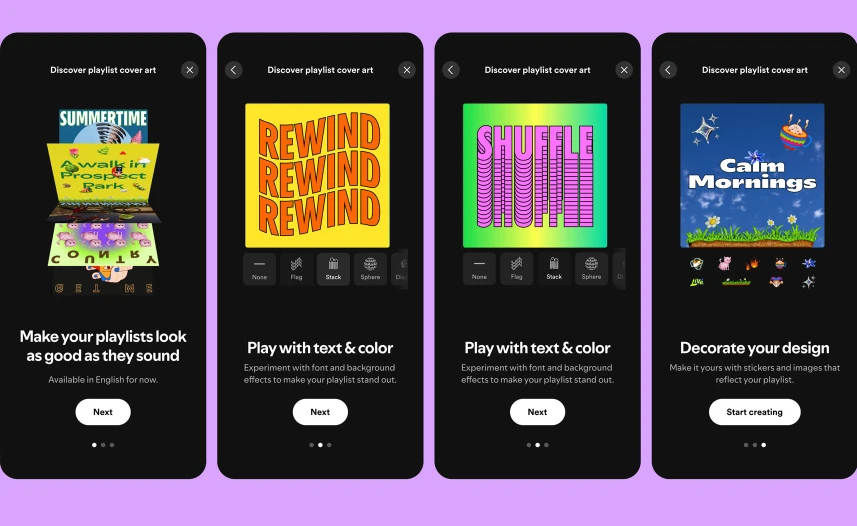
Spotify Rolls Out Custom Playlist Artwork Feature marks a pivotal moment in how listeners engage with their music collections, and through my work with digital music platforms, I have observed that visual customization significantly deepens user attachment to playlists.
When Spotify launched this new custom playlist artwork tool, it fundamentally shifted the power dynamic by giving users more control over their musical identity and how their playlists look in the app ecosystem.
The innovative feature allows creators to embrace personalized playlist design strategies that go beyond mere audio curation lets users create stunning custom images, choose dynamic text effects, and seamlessly upload personal photos that resonate with their individual taste and mood. What’s particularly intuitive is how accessible this becomes through simple interaction: Users can simply tap the context menu on any playlist and select the “Create Cover Art” option to start customizing immediately without technical barriers.
🔗 Play: Spotle Music Wordle Game
In my experience, this democratization of design tools transforms passive listeners into active creators, but here’s what I wonder when users have this much creative freedom to personalize and transform their playlists visually, doesn’t it make them more invested in curating meaningful music experiences, and don’t you think that’s where real platform engagement truly flourishes?
Spotify collaborates with artists for inspiration
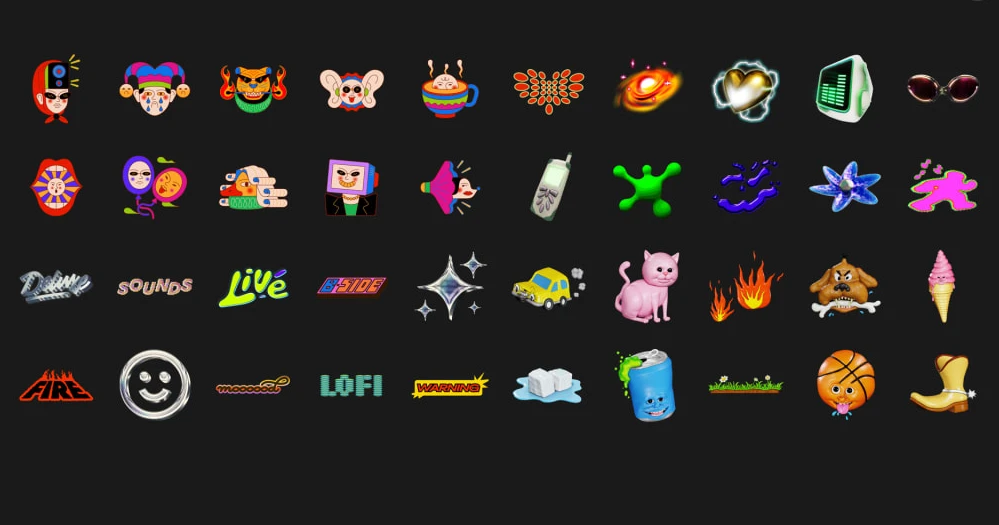
Spotify’s Creative Partnership Model Empowers Visual Storytelling reveals how strategic collaborations between platforms and talented creators reshape digital experiences, and from my perspective working in music technology, I have witnessed how Spotify collaborates with famous artists like Clairo, Jamie xx, and innovative visual designers such as Cey Adams to fundamentally encourage creative expression across millions of listeners worldwide.
These powerful collaborations effectively showcase the transformative potential of the Spotify playlist artwork tool, which empowers users to create truly stunning, unique playlist designs that reflect their individual musical taste and personality.
The brilliance of this approach becomes evident when Users can seamlessly add one of 40 distinct unique stickers thoughtfully designed alongside these artists, allowing listeners to personalize their playlist covers in meaningful ways and elevate their curation further than ever imagined.
What I find particularly compelling is how this democratization of design transforms ordinary listeners into visual artists themselves, and dose not this partnership model demonstrate that when platforms encourage creative expression through collaboration, Users become invested stakeholders who feel valued and heard?
By giving audiences the tools that artists and designers typically reserve for professionals, Spotify has created an ecosystem where visual identity becomes as important as audio quality in defining what a playlist truly represents.
Leave a Reply